
The Fudge Guide
Fudge vs. Chocolate: What’s the Difference?
Fudge and chocolate can share a cocoa note, but their ingredients, texture, and making process make them very different treats.
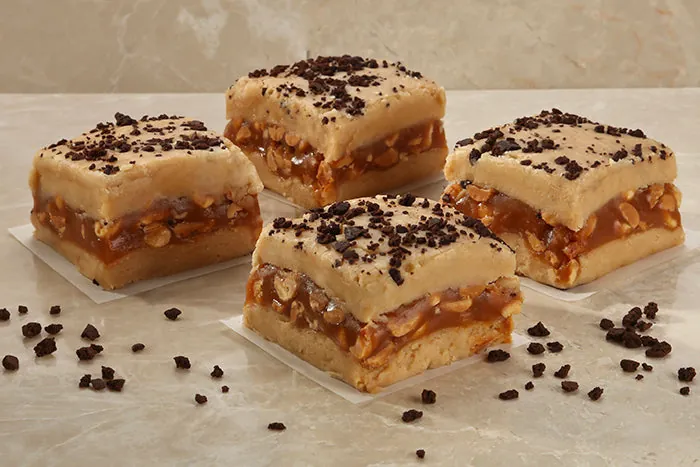
Fudge and chocolate often sit side by side in a candy case, wear the same deep brown color, and satisfy the same after-dinner craving. It is easy to assume they are versions of one thing. They are not. Chocolate is built from cacao, while fudge is a cooked sugar confection that may use chocolate as one of many flavors.
The difference matters because it changes the whole eating experience. One treat has a clean snap and a cocoa-forward finish. The other is soft, rich, and made for slow little bites. Once you know what creates those differences, it becomes much easier to choose a treat for yourself, a gift, or a shared box.
The quick answer: two different kinds of candy
Chocolate begins with cacao beans. Those beans are processed into cocoa solids and cocoa butter, then combined in different proportions with sugar and, in some styles, milk. The result can be a dark bar, milk chocolate, white chocolate, a coating, chips, or a filling. Its character comes from cacao and the way cocoa butter sets.
Fudge begins with a different idea: sugar, dairy, butter, and careful cooking. Chocolate or cocoa can be added, which is why chocolate fudge is so familiar, but it is not required. As Food Network’s overview of fudge explains, the confection can also take on maple, peanut butter, butterscotch, and many other flavor directions.
So a chocolate fudge square is not a softer chocolate bar. It is fudge that happens to have a chocolate personality. That distinction leaves plenty of room for creamy peanut butter, bright citrus, caramel, cookie-inspired, and playful flavors in the same family.

Why the texture feels so different
A well-made chocolate bar is firm at room temperature. Break it and you get a snap. Let a small piece rest on your tongue and the cocoa butter softens into a silky finish. The flavor is often direct and concentrated, especially in darker chocolate.
Fudge is softer and denser. It yields when you bite it, then feels creamy rather than brittle. That texture comes from sugar crystals, but not the large crystals you can feel in grainy candy. Fudge makers aim for a huge number of tiny crystals, small enough to create structure without making the candy feel sandy.
The Exploratorium’s candy science guide calls fudge an unusual case where sugar crystals are exactly what you want. Cooling and stirring at the right moments create the smooth, semi-soft set people expect. That is why fudge can be firm enough to cut into squares while still feeling like a creamy bite.
Neither texture is better. They simply suit different moods. Chocolate is tidy, snappy, and cocoa-led. Fudge is generous, soft, and usually more of a dessert-like experience.
Ingredients tell you what to expect
Ingredient lists do not tell the whole story, but they give you a useful first clue. A chocolate bar usually centers on cocoa mass or cocoa solids, cocoa butter, sugar, and perhaps milk ingredients or vanilla. The cacao content and type of chocolate make a big difference to its flavor and intensity.
Traditional fudge usually centers on sugar, a dairy ingredient such as milk or cream, and butter. Chocolate, cocoa, peanut butter, fruit flavor, nuts, cookie pieces, caramel, coffee, or spices can build on that base. A fudge square can taste chocolatey, but it can also taste like a favorite pie, a childhood cereal, or a dessert you would normally eat with a fork.

That flexibility is why a fudge counter can offer a wider range of flavor experiences than a straightforward chocolate bar display. A current fudge selection can include familiar chocolate choices alongside turtle treats, peanut butter combinations, fruit-inspired surprises, and seasonal favorites.
For allergies or dietary needs, neither category is safe to guess about. Chocolate may contain milk, soy lecithin, nuts, or other ingredients, and fudge often includes dairy plus flavor-specific mix-ins. Read the current product details and contact The Marketplace Fudge and More before ordering when an ingredient matters.
Making process: tempering versus crystallizing
Chocolate making is a careful process of refining and setting cocoa ingredients. Tempering, the controlled warming and cooling of chocolate, helps cocoa butter form the stable crystals that give finished chocolate its gloss, snap, and clean melt. A chocolate maker is managing the behavior of cocoa butter.
Fudge making is more about dissolved sugar. The ingredients are cooked to concentrate the sugar syrup, cooled without disturbing it too soon, and then stirred to begin controlled crystallization. Tiny crystals create that signature creamy set. Stir too early or let stray sugar crystals take over, and the finished candy can become coarse instead of smooth.
The techniques are different even when chocolate is part of the fudge recipe. That is why chocolate fudge tastes like more than a bar that has been melted and cooled again. It has its own structure, its own method, and its own pleasantly dense way of eating.

Flavor: cocoa-forward versus wide-open
Chocolate always carries a cacao note, though that note can range from milky and caramel-like to roasted, fruity, or bitter. A chocolate lover may care deeply about cacao percentage, origin, milk content, or whether a bar has inclusions such as nuts or sea salt.
Fudge can lean into chocolate just as deeply, but it has more room to pivot. Peanut butter softens the profile with a salty-sweet creaminess. Espresso adds roast. Coconut, caramel, cinnamon, fruit, and cookies can each take the same creamy foundation in a different direction. Nuts and turtle toppings add another layer of contrast in every bite.
That does not mean every mixed flavor is automatically the best choice. A good box still needs balance. Start with something familiar, add one rich or nutty piece, then make room for a brighter or more playful option. The fudge flavor guide can help you build that mix around the person who will be eating it.
When chocolate is an ingredient in fudge
Chocolate fudge is where the two treats meet, which is why the names get tangled. A fudge recipe may use melted chocolate, cocoa powder, or both to build a deeper flavor. But the chocolate works inside a larger candy mixture that also includes sugar, dairy, and fat. Once that mixture is cooked, cooled, and stirred into its final state, it behaves like fudge rather than a molded chocolate bar.
That is also why chocolate fudge can have a different kind of richness from a square of dark chocolate. A bar puts the cacao flavor front and center. Chocolate fudge gives that flavor a buttery, milky, soft-set setting. Neither one replaces the other. They are useful comparisons only if you want to predict the bite before you order.
The same distinction applies to names such as hot fudge, chocolate sauce, and fudge brownies. A hot fudge sauce is a dessert topping, not a cuttable piece of fudge. A fudge brownie borrows the word to describe a dense, moist texture. And a chocolate-covered fudge square is two treats working together: soft fudge inside, a firmer chocolate layer outside.
How to pick from a candy case
When you are shopping in person or online, use the description as your shortcut. Words such as dark, milk, cocoa percentage, tempered, bark, truffle, and snap usually point toward chocolate. Words such as creamy, small-batch, peanut butter, cookies and cream, caramel, turtle, or flavor of the day often point toward fudge or a fudge-based treat.
Then think about what the person will do with it. A chocolate bar can be a neat little finish after dinner. A few fudge pieces can turn into a tasting, especially when the flavors contrast. For a larger group, an assortment invites people to compare favorites. For a single devoted dark-chocolate fan, a focused cocoa-forward choice may feel more thoughtful.
Storage can affect the experience too. Both treats do best away from heat and direct sun, but specific guidance depends on the recipe and packaging. If you are planning ahead for a party or gift, the fudge storage guide explains how to keep a special order at its best.
Which one is better for a gift?
Choose chocolate when you know the recipient loves a crisp, cocoa-centered treat. A bar or box of chocolates can feel polished, simple, and easy to portion. It is a strong choice for someone who already has favorite dark, milk, or white chocolate styles.
Choose fudge when the goal is variety and a more personal-feeling treat. Fudge is naturally suited to a sampler because several flavors can live together in one box without feeling repetitive. It is especially good for families, office sharing, celebrations, and gifts where you want everyone to find at least one piece that feels made for them.

A Build a Box gives you a simple way to make that variety intentional. Pair a classic chocolate flavor with peanut butter or caramel, a fruit or citrus choice, and one playful wild card. If the order is a gift, the fudge gift box guide has more ideas for matching the assortment to the occasion.
The best choice is the experience you want
Chocolate and fudge overlap because both can be sweet, rich, and satisfying. They separate at the bite. Chocolate brings cacao, snap, and a clean melt. Fudge brings a cooked sugar-and-dairy base, a soft creamy texture, and an open invitation to try something unexpected. Both earn a place in the candy dish, especially when sharing is part of the plan with family, friends, or coworkers.
The Marketplace Fudge and More has made small-batch fudge with real butter, real cream, and a big imagination since 2012. Browse all current fudge flavors when you want to see what is in the case today, or use the Build a Box option when one flavor simply will not do.
Frequently asked questions
Is fudge just melted chocolate?
No. Chocolate can be one ingredient in fudge, but traditional fudge is a cooked sugar candy made with dairy and butter. Its soft, creamy texture comes from carefully controlled sugar crystallization, not from simply melting chocolate.
Does all fudge contain chocolate?
No. Chocolate is a classic flavor, but fudge can also be made with vanilla, peanut butter, maple, fruit flavors, caramel, coffee, and many other additions. The sugar-and-dairy base is what makes it fudge.
Why does fudge feel softer than chocolate?
Fudge is a dense, semi-soft candy with tiny sugar crystals and dairy fat. A chocolate bar sets through cocoa butter and is usually firmer, snappier, and more likely to soften or melt cleanly on the tongue.
Should I choose fudge or chocolate for a gift?
Choose chocolate when the person loves a crisp snap and a clear cocoa flavor. Choose fudge when they enjoy a creamy, substantial bite and the fun of choosing from many flavor combinations. A mixed fudge box is especially useful when several people will be sharing.
Candy-making background: Exploratorium’s guide to fudge crystallization.
Related posts

Fudge Guide
What Is Fudge Made Of? The Sweet Science Explained
See what gives fudge its smooth, creamy character, from the classic base ingredients to the mix-ins that make each batch its own.
Read the guide →Fudge Guide
Fudge Flavors: How to Choose Your Next Favorite
A practical guide to choosing classic, fruity, nutty, and playful fudge flavors for yourself or someone special.
Read the guide →
Fudge Guide
How Long Does Fudge Last? A Simple Storage Guide
Keep handcrafted fudge tasting its best with practical storage tips for the counter, refrigerator, freezer, and gift giving.
Read the guide →